
The Philosophy Behind TYLO
Healthcare remains deeply human.
At a glance
What this philosophy means
The central ideas shaping how Tylo thinks about healthcare delivery.
Deeply human
Technology can scale systems, but trust, guidance and reassurance still come from people.
Beyond one setting
Corporates, clinics, hospitals, factories, communities and recovery environments all matter.
Technology + execution
Tylo is built to balance digital coordination with human-centered healthcare support.
Closer to people
Healthcare should move across urban, semi-urban and everyday environments — not stay fixed.
“Healthcare should reach people where they already are.”
This belief sits at the center of everything we are building at Tylo.
Core philosophy
For decades, healthcare systems across the world have largely been built around fixed infrastructure — hospitals, clinics, laboratories and healthcare institutions where people are expected to travel, wait and adapt to systems that are often fragmented, overloaded or inaccessible. While medical science and healthcare technologies have evolved significantly over time, access, continuity and meaningful healthcare support still remain inconsistent for millions of people across workplaces, communities and everyday environments.
At Tylo, we believe healthcare should move closer to people instead of expecting people to always move closer to healthcare.
This philosophy is not limited only to preventive healthcare, diagnostics or treatment alone. We believe healthcare interactions today extend far beyond traditional clinical settings. Modern healthcare increasingly requires continuous engagement, monitoring, diagnostics support, operational assistance, accessibility, coordination, assisted care environments and responsive support systems that function closer to where people actually live, work, recover and interact.
Healthcare everywhere
Healthcare today exists everywhere.
It exists in corporate environments where employees struggle to prioritize their health amidst demanding schedules and evolving lifestyles. It exists in communities where awareness, accessibility and continuity of healthcare support still remain inconsistent. It exists in clinics where doctors require stronger operational support systems to create better patient experiences. It exists in hospitals where navigation, guidance and coordination can shape the quality of care experiences. It exists in factories, institutions and industrial environments where organized health camps and workplace support models can bring care closer to the people who need it. It exists in homes, recovery environments and assisted care settings where emotional support, guidance and responsiveness become deeply meaningful parts of healthcare journeys.
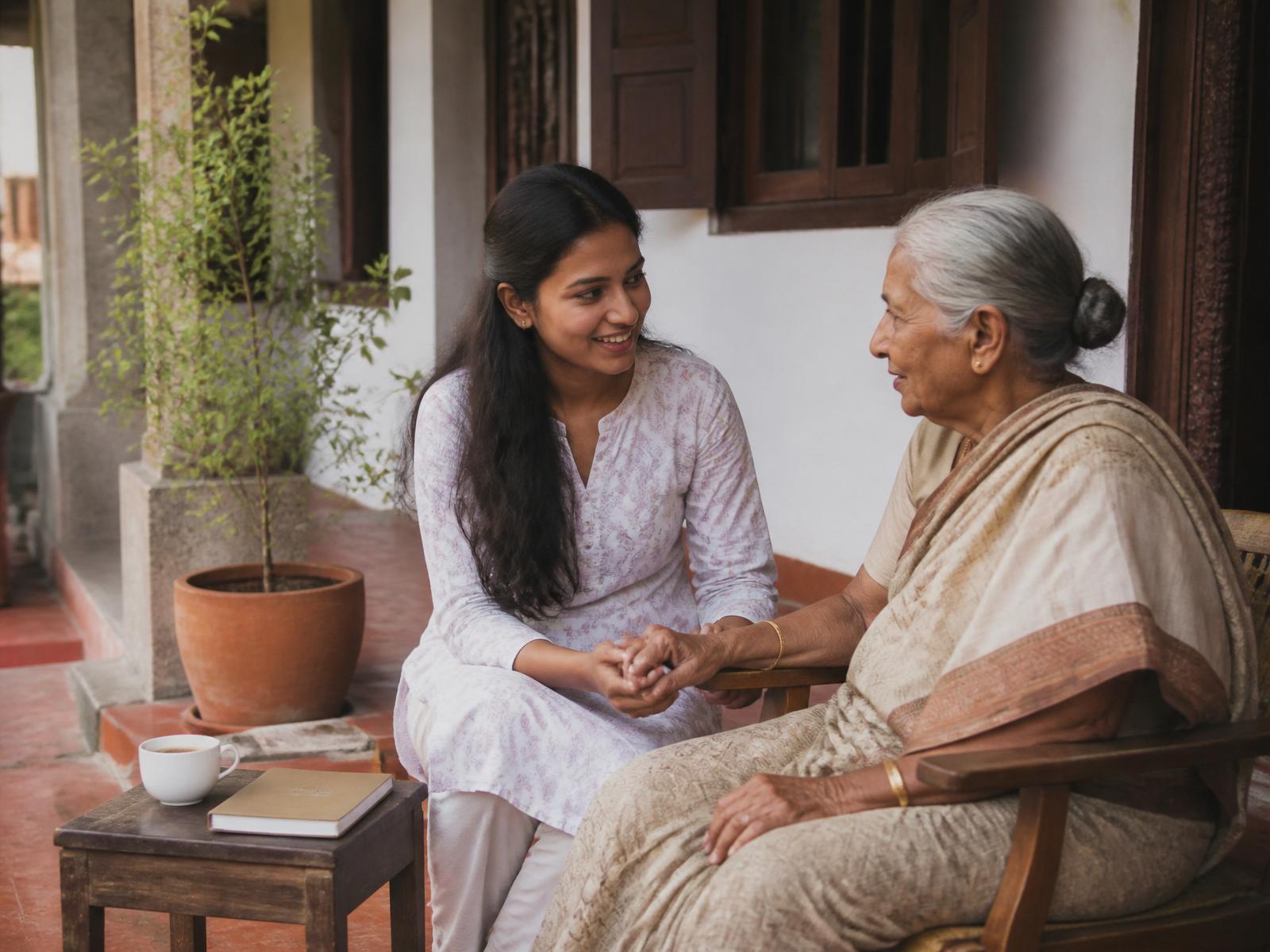
At Tylo, we believe healthcare systems of the future will increasingly move toward decentralized, connected and technology-enabled models that extend beyond traditional healthcare settings.
This is why Tylo is being built as a Healthcare-as-a-Service (HaaS) platform designed to combine technology, operational intelligence, healthcare workforce networks and human-centered execution to help healthcare support become more accessible, connected and responsive.
Our approach is built around enabling healthcare interactions through distributed healthcare networks including healthcare activations, point-of-care support models, healthcare assistance environments, monitoring programs and future healthcare support infrastructure designed around accessibility, continuity and human connection.
Human at the center
At the same time, we strongly believe technology alone cannot solve healthcare challenges.
What we believe
Healthcare remains deeply human.
Behind every healthcare interaction is a person seeking clarity, support, continuity, responsiveness or reassurance. Technology can improve efficiency and scale, but meaningful healthcare experiences still require empathy, accountability and human understanding.
We also believe healthcare should not feel intimidating, disconnected or operationally difficult to access. In many situations, people do not merely require medical intervention — they require guidance, support systems, coordination, responsiveness and someone who understands the practical realities surrounding healthcare experiences.
This is especially important in a world where healthcare journeys are becoming increasingly complex.
As healthcare models continue evolving, the boundaries between diagnostics, monitoring, healthcare support, assisted care, patient engagement and decentralized healthcare delivery will continue becoming more interconnected. Tylo believes future healthcare models will increasingly depend on how effectively healthcare systems are able to extend support beyond hospitals and traditional care environments.
What this shapes
This philosophy will continue shaping every platform Tylo builds in the future — whether through healthcare activations, decentralized support models, healthcare assistance services, rare disease support initiatives, monitoring programs, patient support infrastructure or future technology-enabled healthcare platforms designed around accessibility and continuity.
At Tylo, we are not merely building services.
We are building systems that help reduce the distance between healthcare and people.
Not only physically, but operationally, emotionally and meaningfully.
Because for us, healthcare is not only about treatment.
It is equally about accessibility, continuity, responsiveness, support and human connection.
And we believe the future of healthcare will belong to organizations that are able to bring all of these elements closer together.